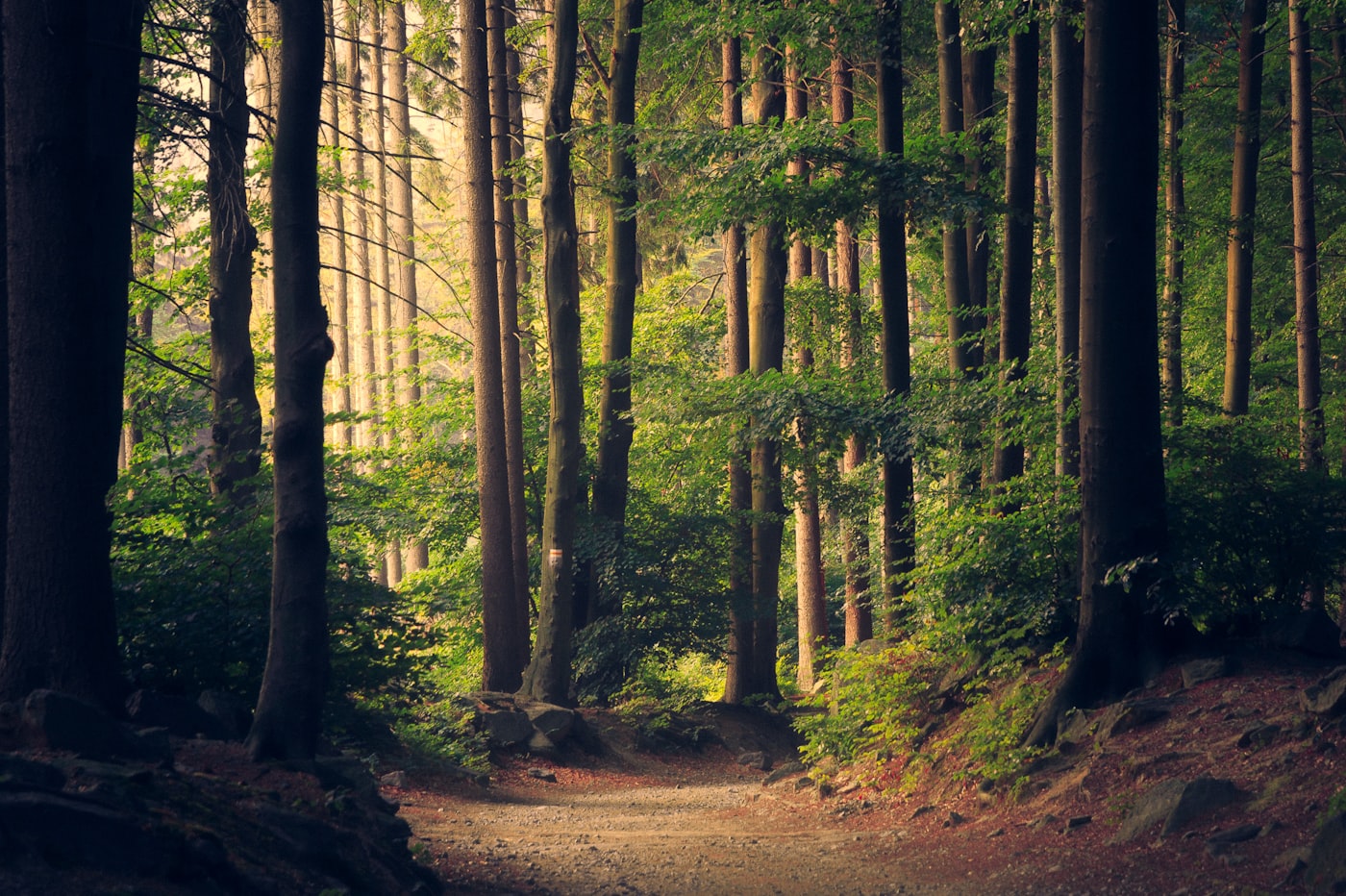
In a world where natural habitats vanish at unprecedented rates, the need for thoughtful intervention has never been more pressing. Every forest cleared, wetland drained, or coastline eroded represents not just lost beauty, but fractured ecosystems that sustain life itself.
Yet there exists a path forward—one rooted in understanding rather than exploitation, in restoration rather than extraction.
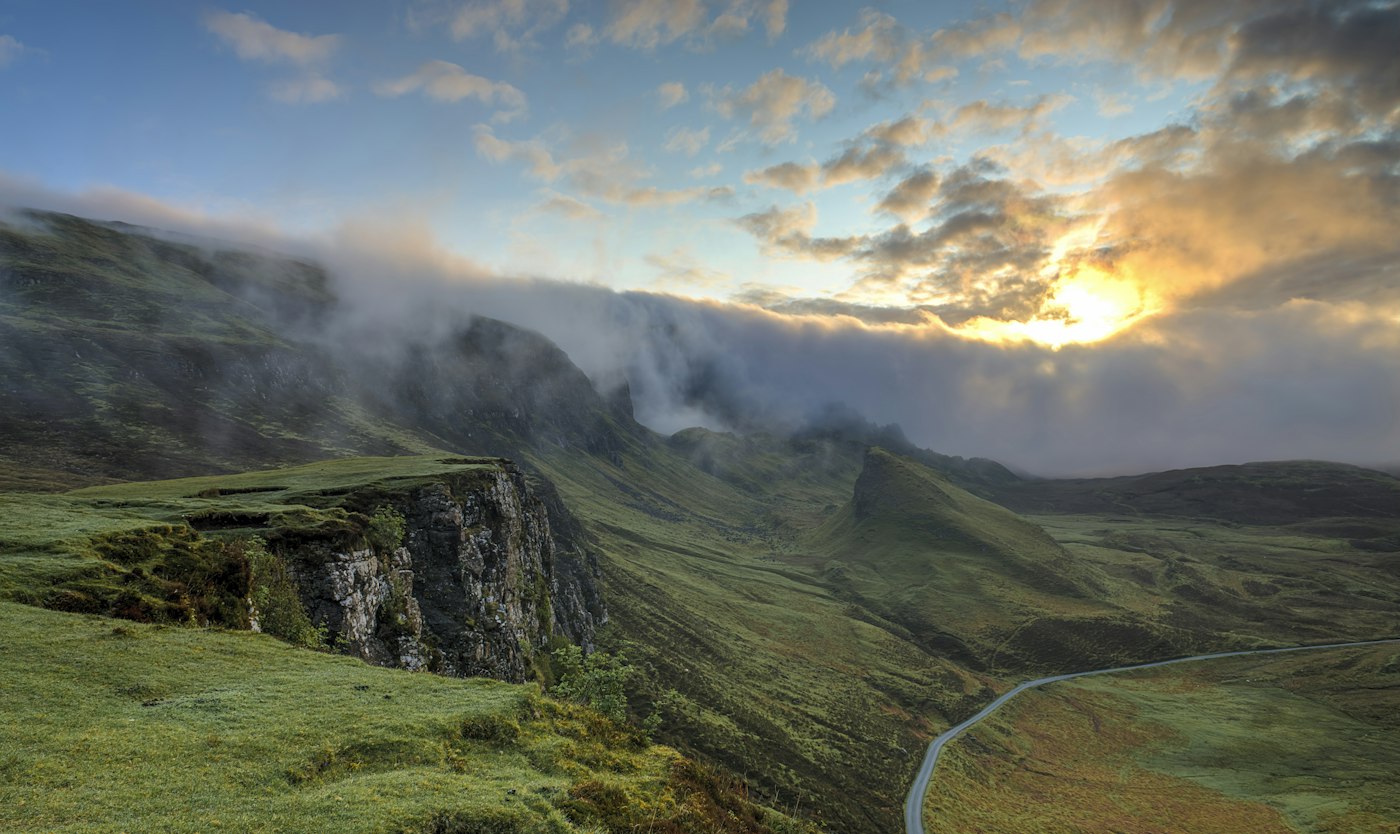

We begin by understanding what exists—identifying keystone species, mapping nutrient flows, and recognizing ecological relationships that conventional surveys miss.
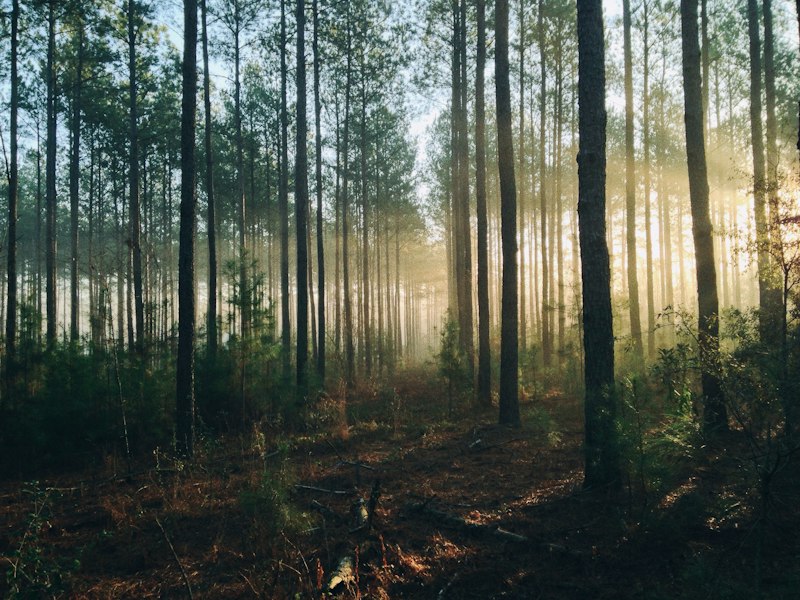
Rather than blanket solutions, we design site-specific strategies that work with natural processes. Small adjustments in the right places can cascade through entire systems.
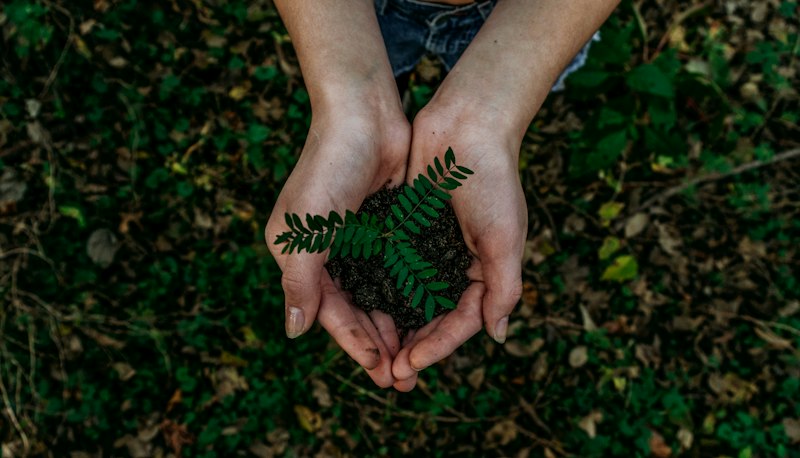
Ecosystems change constantly. Our approach includes ongoing observation, allowing strategies to adapt as environments respond and evolve over seasons and years.

"Working with root-oryx transformed our nature reserve. Within eighteen months, we documented species returning that hadn't been seen locally in decades. Their understanding of ecological relationships proved invaluable."— Margaret Thornhill, Reserve Manager, Pembrokeshire Wildlife Trust
Restored habitats support wider species variety, creating resilient ecosystems that adapt to changing conditions and resist invasive pressures.
Healthy ecosystems naturally filter water, reduce erosion, and regulate flow patterns—benefits that extend beyond property boundaries.
Functioning ecosystems capture atmospheric carbon through vegetation growth and soil enrichment, contributing to climate mitigation efforts.
Unlike quick fixes that require constant maintenance, restored ecosystems become increasingly self-sustaining as natural processes strengthen.
Each project begins with understanding your specific context—soil composition, existing flora and fauna, water systems, and long-term objectives. From there, we develop tailored strategies.
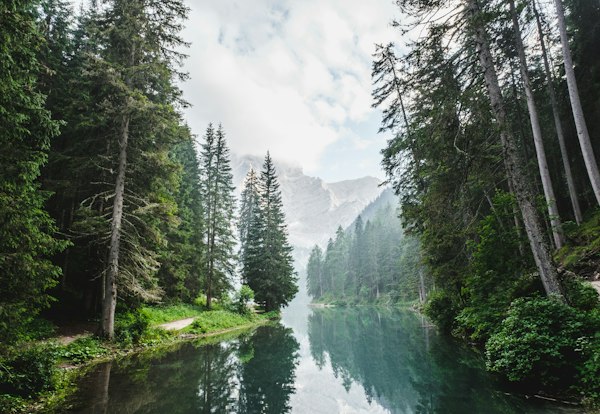
Comprehensive site analysis including species inventory, soil testing, water quality evaluation, and ecological relationship mapping.
£2,847

Active intervention to restore degraded habitats, including native species reintroduction, invasive species management, and soil remediation.
£6,235

Design and implementation of functional wetland systems that filter water, support biodiversity, and enhance landscape resilience.
£8,912

Ongoing assessment programs tracking species populations, ecosystem health indicators, and restoration progress over time.
£1,543 per quarter
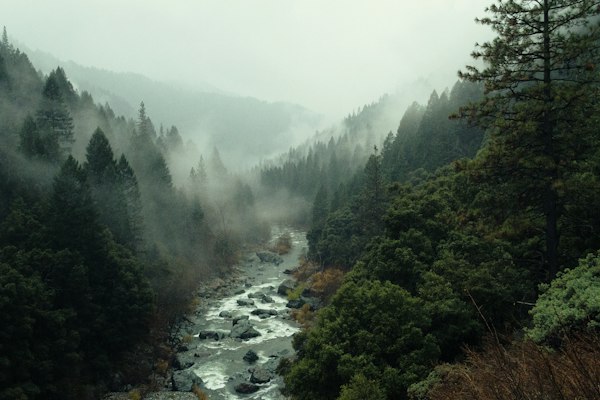
Sustainable forestry practices that balance timber production with ecological health, including selective thinning and natural regeneration support.
£4,678
Share your project details and we'll develop a customized approach for your land.